
Why Balloon Buyers Must Lock In Valentine’s Orders in December — Not January
Introduction: Valentine’s Stocking Deadline Has Shifted to December
The balloon market has changed dramatically. Valentine’s Day used to be a January decision — now it has become a December non-negotiable.
Factories are filling up earlier, shipping lines tighten fast, and buyers who wait until January often face the same painful result:
Late production + late arrival = missed sales and lost profit.
If Valentine’s revenue matters to you, December is the only real deadline.
1. Miss December, Miss the Best Production Slot
Valentine’s SKUs trigger a global peak in factory demand. When orders arrive in January, this is the reality:
-
Factories are already fully booked by early planners.
-
Production lines prioritize long-term loyal clients.
-
Easter production begins at the same time, taking up capacity.
Result: Your Valentine’s stock gets pushed to the end of the queue.
The Simple Truth
December Order = guaranteed production priority
January Order = leftover capacity + serious delays
2. January Logistics Are Expensive and Unstable
Even if production is fast, January shipments face multiple issues:
-
Freight rates spike sharply.
-
Ports experience post-holiday congestion.
-
Sailing schedules become unpredictable.
-
Customs clearance slows down.
A shipment that normally takes 30 days can easily become 40+ days.
Meaning your “Valentine’s goods” might arrive… in March.
3. Early Buyers Get Better Quality (Fewer Defects)
During peak season, factories focus on speed. But December orders benefit from calmer production conditions:
-
More stable printing temperature and color control
-
Better consistency batch-to-batch
-
Fewer QC issues
-
Extra time for rework or replacements if needed
Good balloons come from early production — not rushed seasonal slots.
4. More Time for Custom Needs: Samples, Adjustments, Expansions
December orders give you room to:
-
Approve pre-production samples
-
Adjust artwork or colors
-
Add SKUs or request top-up quantities
January removes these possibilities entirely — you must accept whatever can be made fastest, not what is best for your brand.
5. Retailers Are Stocking Earlier Than Ever
Supermarkets and big-box retailers now put Valentine’s balloons on shelves as early as late January / early February.
If your inventory isn’t in your warehouse early enough, you lose the most profitable buying window — and retailers will always choose suppliers who deliver first.
Conclusion: December Secures Profit — January Chases Luck
The industry pattern is unmistakable:
-
December orders = secure profit, stable supply, minimal risk
-
January orders = gamble with delays, higher cost, and lost sales
If you want predictable margins and stress-free planning, finalize your Valentine’s orders before December ends.
Ricosen Is Ready to Help You Win Valentine’s Day
Ricosen supports global buyers with:
-
Guaranteed production slots during the best window
-
Stable pricing before seasonal freight increases
-
Fast sampling for accurate confirmation
-
Smooth delivery so goods arrive before February
Don’t wait. Plan early. Ship early. Sell early.
That’s how you win Valentine’s Day in 2026.
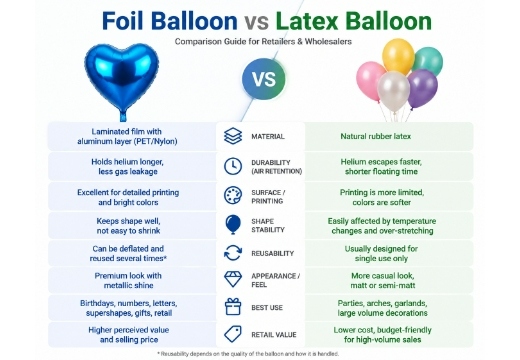 Why Foil Balloons Last Longer Than Latex Balloons: A Durability Comparison Guide
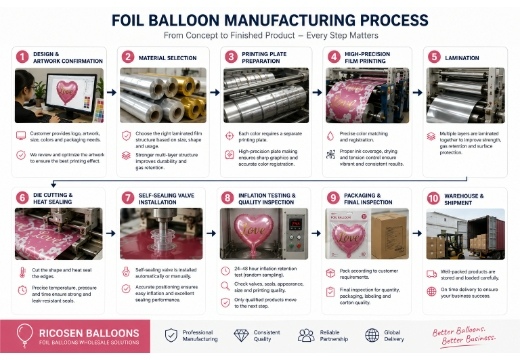 How Are Foil Balloons Made? Inside the Factory: What Happens Before a Foil Balloon Enters Mass Production
 Why Foil Balloons Sometimes Leak Without Visible Holes: Hidden Manufacturing Factors Every Buyer Should Know
 How Successful Balloon Retailers Build a Product Mix That Sells All Year