If you’ve been sourcing wholesale foil balloons for a while, you’ve probably asked yourself this question more than once:
“Why is this supplier’s price so much higher?” “Or… why is another quote from a different factory unbelievably cheap?”
At first glance, the global balloon market often feels like a price war. You see the same 18-inch hearts, the same star shapes, and the same holiday themes, yet the quotes vary by 20% or even 50%.
The truth is simple: Most buyers compare invoice numbers — but very few understand the cost ecosystem behind them.
This article breaks down what really drives price differences and how professional buyers evaluate bulk balloon quotes without falling into costly quality traps.
1. Same Balloon, Different Cost Structure
On a PDF catalog, two balloons look identical. In a warehouse, their performance is worlds apart. Key factors that directly affect your unit price include:
Foil Thickness & Material Grade: Standard 0.025mm vs. premium 0.030mm material determines the "float time" and durability.
Ink Quality & Printing Layers: High-fidelity CMYK printing costs more but prevents color fading and ink cracking.
Scrap Rate & QC Standards: A "cheap" batch often skips the 24-hour inflation test, leading to a higher percentage of "leakers" in your inventory.
Factory Efficiency: Automated production vs. manual labor affects consistency across millions of units.
The Pro Tip: A lower price isn’t always a better deal. It often represents a "hidden tax" of defective products that you’ll have to refund later.
2. Pricing is About Timing, Not Just Product
In the wholesale balloon industry, your calendar is your biggest cost-saver. Many distributors don’t realize that when you place an order is as critical as what you order.
Off-Season Advantage: Placing orders in the "quiet months" allows factories to offer lower labor rates and more attention to detail.
Peak-Season Premiums: During the rush for Valentine’s Day or Graduation season, raw material prices spike and production slots become expensive.
The Planning Gap: Two buyers ordering the same custom foil balloon — one in October and one in January — will rarely see the same price or the same shipping reliability.
3. MOQ and Order Structure: The Efficiency Factor
Another reason prices look confusing is that buyers rarely compare the same "Order DNA."
Small MOQs (Minimum Order Quantities), frequent reorders, or a mix of too many SKUs (designs) lead to:
Higher machine setup costs per design.
Increased manual sorting and packing labor.
Material waste during color calibration.
This is why experienced buyers don't just ask, "Why is your price higher?" They ask, "What order structure makes this price sustainable for both of us?"
4. The "Invisible Costs" of Sourcing Risk
Here is the part many buyers ignore until it’s too late: Risk has a price. If you save $0.05 on a balloon but it arrives two weeks after Mother's Day, that balloon is worth $0.
Hidden costs of "cheap" sourcing include:
Missed Selling Windows: Late deliveries that kill seasonal revenue.
Emergency Air Freight: Paying more for shipping than the product itself to fix a supplier's mistake.
Lost Retailer Trust: When your B2B customers receive inconsistent quality, they switch to your competitors.
5. How Professional Buyers Evaluate a Quote
Instead of chasing the bottom dollar, top-tier distributors focus on Total Cost of Ownership:
Price Stability: Will the price jump next month?
Supply Reliability: Can the factory deliver during the Q4 peak?
Batch Consistency: Is the quality of the 10th order as good as the 1st?
Technical Support: Can the supplier help with custom designs or packaging solutions?
Final Thought: Clarity Protects Your Margins
Balloon pricing isn’t random. It is a calculated result of material science, timing, and risk management. Once you stop comparing prices in isolation and start comparing supply systems, your sourcing becomes calmer, smarter, and far more profitable.
At Ricosen, we don't just provide quotes; we provide cost clarity. Whether you are looking for custom foil balloons or bulk holiday supplies, we help you optimize your order structure to protect your margins for the long term.
[Contact Ricosen Today] to get a professional breakdown of your next project’s cost structure.

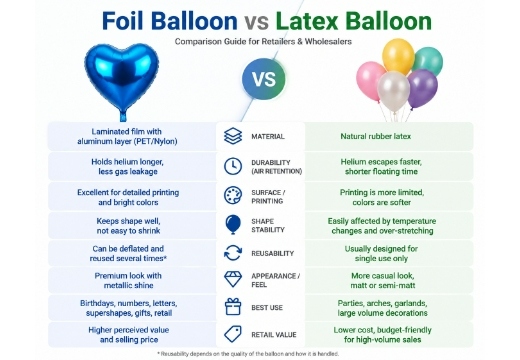 Why Foil Balloons Last Longer Than Latex Balloons: A Durability Comparison Guide
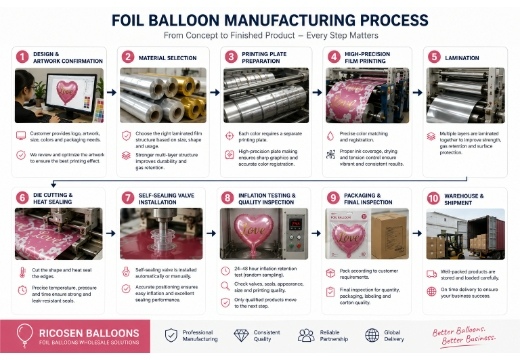 How Are Foil Balloons Made? Inside the Factory: What Happens Before a Foil Balloon Enters Mass Production
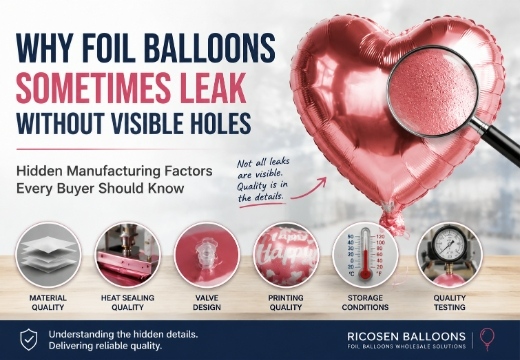 Why Foil Balloons Sometimes Leak Without Visible Holes: Hidden Manufacturing Factors Every Buyer Should Know
 How Successful Balloon Retailers Build a Product Mix That Sells All Year